Understanding Pickleball Rules: A Beginner’s Guide to the Fastest Growing Sport
Pickleball has rapidly ascended to become one of the most popular and accessible racquet sports, captivating enthusiasts with its unique blend of tennis, badminton, and table tennis. As expertly demonstrated in the video above, this guide aims to expand upon the fundamental pickleball rules and scoring mechanics, ensuring that new players can quickly grasp the game and join the fun on the court.
The sport’s popularity is not just anecdotal; it is often cited as the fastest-growing sport in America, a claim supported by its incredible ease of learning. Unlike sports that demand years of practice to achieve basic competency, pickleball can be enjoyed and even competed in effectively within a matter of weeks. This low barrier to entry, combined with its social nature, makes it an attractive option for people of all ages and athletic backgrounds looking to engage in physical activity and community interaction.
What Exactly is Pickleball? A Hybrid Sport Explained
At its core, pickleball is a hybrid sport, cleverly combining elements from more established racquet games. The equipment, court, and gameplay are all designed to offer a dynamic yet manageable experience. Understanding these foundational aspects is crucial for anyone learning how to play pickleball.
The Equipment: Paddles and Balls
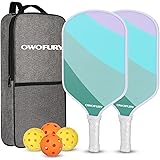
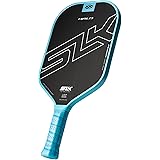
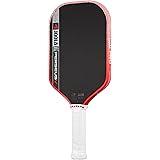
The “racquet” in pickleball is officially called a paddle. These paddles are typically solid and made from materials like wood, composite, or graphite, striking a balance in size between a tennis racquet and a ping-pong bat. Their design allows for a good feel for the ball while reducing the precision demands often associated with stringed racquets.
The pickleball itself is distinctive. It is a lightweight, plastic ball, similar in material to a wiffle ball but generally harder and more durable. Its perforated design significantly slows down the game compared to tennis balls, making rallies more manageable and accessible for beginners. This slower ball speed is a key factor in the sport’s quick learning curve and overall appeal.
The Court: Sizing Up the Game
One of the most compelling aspects of pickleball, contributing to its rapid growth, is its court size. A standard pickleball court measures 20 feet wide by 44 feet long, which represents approximately **30% of the total area of a regulation tennis court**. This smaller footprint is incredibly efficient; it is often observed that two, and sometimes even four, pickleball courts can be laid out within the boundaries of a single tennis court. This adaptability means existing facilities can be easily converted, providing more opportunities for people to play.
The pickleball court is divided by a net, similar to tennis, creating two distinct playing areas for opponents. Key areas on the court are designated for specific actions, influencing strategic play and adherence to pickleball rules:
- Baseline: The line at the very back of the court.
- Sideline: The lines running along the sides of the court.
- Service Area: A designated box on each side where serves must land.
- Non-Volley Zone (The Kitchen): The area extending 7 feet from the net on both sides. This zone has a critical rule associated with it, which is central to pickleball gameplay.
Serving in Pickleball: Starting the Point Correctly
Every point in pickleball begins with a serve, and specific rules govern this initial action to ensure fairness and strategic play. Mastering the serve is a fundamental step for anyone learning how to play pickleball.
The serve must be hit underhand, with the point of contact between the paddle and the ball occurring below the server’s waist. The serve is initiated from behind the baseline, and the ball must clear the net and land within the opponent’s designated service area, which is diagonally opposite the server. Only one serve attempt is permitted per point. If the serve is a fault (e.g., goes into the net, out of bounds, or lands in the non-volley zone), the server loses the point, and the serve passes to the opponent or the next server in doubles.
The Two-Bounce Rule: A Unique Pickleball Requirement
Perhaps one of the most distinctive and often initially confusing pickleball rules for newcomers is the “two-bounce rule,” also sometimes referred to as the “two-shot rule.” This regulation is critical for understanding pickleball’s unique rhythm and strategy.
The rule dictates that the ball must bounce once on each side of the court before either team can hit it as a volley (hitting the ball before it bounces). Specifically, when the serve is made, the receiving team must allow the ball to bounce once before returning it. Subsequently, the serving team must also allow the return shot to bounce once before hitting their third shot. After these initial two bounces, any player on either team is permitted to hit the ball either as a volley or after it bounces.
This rule is strategically significant as it prevents either team from rushing the net immediately and gaining an unfair advantage through powerful volleys. It ensures that the first few shots of a rally are played from deeper in the court, promoting more dynamic rallies and allowing both teams to establish positions.
The Non-Volley Zone (The Kitchen Rule): Navigating the Court Safely
The Non-Volley Zone, commonly known as “the kitchen,” is a 7-foot area on both sides of the net where a player is not allowed to volley the ball. This is a foundational pickleball rule that significantly impacts gameplay and strategy. A volley, by definition, is hitting the ball out of the air before it bounces on the court.
The kitchen rule states that a player cannot step into the non-volley zone and hit the ball before it bounces. If a player steps on or into the kitchen while executing a volley, or if any part of their momentum carries them into the kitchen after hitting a volley, a fault is committed, and the point is lost. This rule is in place to prevent players from “spiking” the ball from a close range at the net, thereby maintaining a more balanced and strategic rally game rather than relying purely on power.
However, it is important to note that a player is allowed to enter the kitchen at any time, as long as they do not volley the ball while inside it. If the ball bounces within the kitchen, a player can enter the zone to hit it after the bounce, provided their feet are not touching the non-volley line or the court inside the kitchen at the moment of contact for a volley.
Winning and Losing Points: How to Score in Pickleball
Understanding how points are won and lost is fundamental to mastering pickleball scoring. A point is generally awarded to the serving team when their opponent commits a fault. Only the serving team can score points.
How a Point is Won by the Serving Team:
- Opponent Hits Ball Out of Bounds: If the receiving team returns the ball beyond the baseline or sidelines.
- Opponent Hits Ball into the Net: A return shot that fails to clear the net.
- Opponent Volleys the Serve Directly: If the receiving team hits the served ball out of the air before it bounces (violating the two-bounce rule).
- Opponent Hits Ball After Two Bounces: If the receiving team allows the ball to bounce twice on their side before returning it.
- Opponent Volleys While in the Kitchen: If the receiving team hits the ball out of the air while any part of their body or paddle is touching the non-volley zone.
How a Point is Lost by the Serving Team (and Serve is Lost):
Conversely, the serving team loses the right to serve (and does not score a point) if they commit a fault. These scenarios are crucial for understanding pickleball rules from the server’s perspective:
- Serving Above the Waist: The point of contact between the paddle and the ball is above the server’s waist.
- Serve Fails to Land in Designated Area: The serve lands out of bounds, in the net, or in the non-volley zone.
- Not Respecting the Two-Bounce Rule: The serving team volleys the second shot of the rally (their own third shot) before it bounces.
- Hitting Ball Out of Bounds or into Net: During any part of the rally, the serving team hits the ball out or into the net.
- Volleying While in the Kitchen: The serving team hits the ball out of the air while in the non-volley zone.
- Hitting Ball After Two Bounces: The serving team allows the ball to bounce twice on their side before returning it.
Pickleball Scoring Simplified: Keeping Track of the Game
Pickleball scoring is unique, especially for beginners. Only the serving team can score points. This means if the receiving team wins a rally, they do not get a point; instead, they simply earn the right to serve. This system encourages strategic play and makes every serve a significant moment.
In singles, the server announces their score first, then the opponent’s score. For example, “2-0.” When a point is won by the server, their score increases, and they then switch sides of the court, serving from the alternating right and left service boxes. A helpful tip for servers: if your score is even, you serve from the right side of the court; if your score is odd, you serve from the left side. This rule applies to both you and your opponent when they are serving.
A game of pickleball is typically played to **11 points**, but the winning team must have at least a two-point lead. If the score reaches 10-10, play continues until one team achieves an 11-13, 12-14, etc. lead. Occasionally, games may be played to **15 or even 21 points**, especially in more casual settings or specific tournament formats, always maintaining the “win by two” rule.
For those interested in doubles play, the scoring system has additional nuances involving two servers per team and a specific order of service, which is often covered in separate, more advanced guides due to its slight complexity.
The Benefits of Pickleball: More Than Just a Game
Beyond its straightforward rules, pickleball offers a multitude of benefits that contribute to its “fastest growing sport” status. The game’s learning curve is remarkably short; many players report feeling comfortable and competitive within a week of starting. This contrasts sharply with sports like tennis, where achieving a similar level of enjoyment and proficiency can take years of dedicated practice.
Pickleball is also celebrated as a highly social sport. The smaller court size naturally brings players closer together, facilitating conversation and camaraderie during and between rallies. It is common for players to rotate partners, making it an excellent way to meet new people and build community. Furthermore, the game provides a great low-impact workout, improving cardiovascular health, agility, and hand-eye coordination without the intense physical demands that can deter participation in other racquet sports.
By understanding these fundamental pickleball rules and the essence of how to play pickleball, anyone can quickly transition from spectator to active participant, enjoying the vibrant community and engaging gameplay that this sport has to offer.
Your Pickleball Playbook: Questions & Answers
What is pickleball?
Pickleball is a hybrid sport that blends elements of tennis, badminton, and table tennis. It’s known for being easy to learn and very social, making it popular for all ages.
What equipment is used to play pickleball?
Players use solid paddles, which are larger than a ping-pong bat but smaller than a tennis racquet. The ball is a lightweight, perforated plastic ball, similar to a wiffle ball.
What is ‘the kitchen’ in pickleball?
The ‘kitchen’ is officially called the Non-Volley Zone, a 7-foot area extending from the net on both sides. Players are not allowed to hit the ball out of the air (volley) while standing in this zone.
What is the ‘two-bounce rule’?
The ‘two-bounce rule’ means that after the serve, the ball must bounce once on the receiving team’s side, and then the return shot must bounce once on the serving team’s side before either team can hit the ball out of the air (volley).
How do you score points in pickleball?
Only the serving team can score points. A game is typically played to 11 points, and you must win by at least a two-point lead.