Pickleball is undeniably surging in popularity worldwide, with millions of enthusiasts now enjoying this dynamic paddle sport. However, many new players, despite their enthusiasm, often find themselves perplexed by some of its unique regulations. If you’ve ever felt a bit lost on the court, wondering about serves, kitchen rules, or that distinctive three-number score, you are certainly not alone. Fortunately, the accompanying video offers an excellent primer to help you quickly grasp the essentials of how to play pickleball effectively.
This comprehensive guide complements the video by diving deeper into the nuances of pickleball rules, providing extra clarity and context. We will explore the game’s core components, unpack its fundamental rules, and meticulously clarify the scoring system, ensuring you step onto the court with unwavering confidence. Prepare to transform your understanding of this engaging and social sport.
Understanding the Pickleball Court and Equipment
Before diving into gameplay, it is crucial to familiarize yourself with the basic pickleball setup. A pickleball court measures 44 feet long by 20 feet wide, perfectly accommodating both singles and doubles play. For perspective, you could comfortably fit four pickleball courts within the footprint of a single tennis court, highlighting its accessibility and smaller scale.
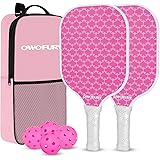
The court is intelligently divided into distinct zones, each with specific implications for gameplay. Central to the court is the net, separating the two sides. On either side of the net, extending 7 feet back, lies the “kitchen,” officially known as the non-volley zone. The remaining court area is divided into a right service box and a left service box, from which players initiate serves. The paddle, resembling an oversized ping-pong paddle, strikes a plastic ball similar to a Wiffle ball, offering a unique bounce and flight trajectory compared to other racket sports.
Essential Pickleball Rules for Confident Play
Mastering pickleball involves understanding three fundamental rules that shape the game’s flow and strategy. These core tenets differentiate pickleball from other racket sports and are vital for enjoyable and legal play. Let’s break down these essential pickleball rules one by one, ensuring you comprehend their significance.
1. Serving Up Success: Navigating the Serve Rules
The serve initiates every point in pickleball, requiring specific execution to be legal. To begin, both of your feet must remain behind the baseline when you make contact with the ball. While one foot may briefly hover over the line, solid ground contact is always necessary; therefore, jumping to serve is strictly prohibited. The serve must also be executed underhand, with the paddle face making contact with the ball below both your wrist and your waist, ensuring a controlled and accessible serve for all players.
1. An alternative, often less complicated, is the drop serve, where you simply drop the ball and hit it after it bounces. This method bypasses the wrist and waist height requirements, simplifying the serve for many players. However, remember you must genuinely drop the ball; you cannot throw it down to gain extra bounce or height. The ball must then travel diagonally across the net, landing within the opponent’s service box beyond their non-volley line. Imagine if your serve landed precisely on the kitchen line; this would immediately be considered a fault, so aiming deeper is always a wise strategy.
2. The Two-Bounce Rule: A Game Changer
One of the most distinctive and strategically important pickleball rules is the two-bounce rule. This regulation dictates that after the serve, the ball must bounce once on the receiving team’s side before they return it. Crucially, the serving team must also allow the returned ball to bounce once on their side before they can hit it. Only after these initial two bounces—one by the return of serve and one by the third shot—can players legally volley the ball (hit it out of the air) as long as they are not in the kitchen.
2. This rule profoundly impacts early game strategy, preventing players from rushing the net immediately after a strong serve. Imagine if players could serve and instantly volley; it would heavily favor powerful servers and diminish rallies. Instead, the two-bounce rule encourages longer points, strategic dinking, and calculated movement to the net, making the game more accessible and dynamic for all skill levels.
3. Mastering the Kitchen: Navigating the Non-Volley Zone Rules
The “kitchen,” or non-volley zone, is often the source of most confusion for new pickleball players, yet its rules are fundamental to the sport’s unique character. Simply put, you cannot hit the ball out of the air (volley) while standing in the kitchen or if any part of your foot is touching the kitchen line. This rule prevents players from camping at the net and slamming every ball, thus promoting strategy, finesse, and the development of soft shots.
3. There are three primary considerations regarding the kitchen rules: Firstly, if you volley the ball, your feet absolutely cannot touch the kitchen line or be inside the kitchen; hovering is permissible, but contact is a fault. Secondly, if your momentum carries you into the kitchen after volleying the ball, even if the ball is already dead, it is still considered a fault. Imagine volleying a winning shot only to fall into the kitchen; the point would be awarded to your opponents, highlighting the importance of maintaining balance and control. Thirdly, if the ball bounces inside the kitchen, you are legally permitted to step into the kitchen to retrieve it. You do not have to wait for the ball to bounce before entering; you can anticipate its bounce and move in early to make the play, but remember to retreat quickly behind the non-volley zone line if you expect a volley return.
Deciphering Pickleball Scoring and Game Flow
Understanding the scoring system in doubles pickleball can initially seem complex due to its unique three-number call, but it becomes intuitive with practice. The most critical aspect to remember is that points can only be scored by the serving team. This rule ensures strategic pressure on the serve and creates exciting shifts in possession, directly impacting how to play pickleball effectively.
4. When your team serves, the first server begins from the right service court. If they win the point, they switch sides with their partner and continue serving. If they lose the point, the serve transitions to their partner. Both players on a team get a chance to serve during their team’s “possession” (their turn to serve and potentially score). If the second server also loses their point, the possession ends, resulting in a “side out,” and the serve passes to the opposing team.
5. The three numbers in the score represent: your team’s score, your opponent’s score, and which server your team is (either ‘1’ or ‘2’). For instance, a score of “5-3-1” means your team has 5 points, your opponents have 3 points, and you are the first server for your team’s possession. The game famously begins with a unique score of “0-0-2,” meaning the starting team only gets one server (the second server) for their initial possession. This special rule was designed by the game’s founders to slightly reduce the advantage of serving first, creating a more balanced start. Imagine trying to keep track of points without this structured system; it would undoubtedly lead to chaos and confusion on the court.
Serving Up Answers: Your Pickleball Q&A
What is the ‘kitchen’ in pickleball?
The ‘kitchen’ is also known as the non-volley zone, an area 7 feet on each side of the net. Players cannot hit the ball out of the air (volley) while standing in this zone.
How do you legally serve in pickleball?
To serve, you must stand behind the baseline and hit the ball underhand, with your paddle making contact below your wrist and waist. The ball must then travel diagonally into the opponent’s service box.
What is the two-bounce rule?
The two-bounce rule dictates that after the serve, the ball must bounce once on the receiving team’s side, and then once on the serving team’s side after the return, before players can hit it out of the air (volley).
How are points scored in pickleball?
Only the serving team can score points in pickleball. If the serving team wins a rally, they earn a point and continue to serve.