What Exactly is Pickleball? A Quick Primer
Pickleball is a vibrant, fast-growing paddle sport that cleverly combines elements from tennis, badminton, and table tennis. It’s played on a compact court, roughly the size of a badminton court, with a slightly modified net. What makes pickleball particularly appealing is its accessibility. People of all ages and skill levels quickly pick it up, enjoying both the physical activity and the social interaction it provides. The game’s unique rules often lead to longer rallies, making it incredibly engaging.
Essential Gear for Your First Pickleball Game
The video touches on “equipment essentials,” and getting the right gear is crucial for a comfortable and enjoyable experience. You don’t need much to start, but understanding the basics helps immensely.
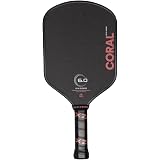
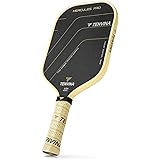
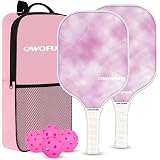
- Pickleball Paddles: These are larger than table tennis paddles but smaller than tennis rackets. They come in various materials, like wood, composite, or graphite. Beginners often start with an affordable composite paddle, which offers a good balance of power and control. Lighter paddles are easier to swing, while heavier ones provide more power.
- Pickleball Balls: There are two main types: indoor and outdoor. Indoor balls are softer, lighter, and have larger holes, making them slower and easier to control. Outdoor balls are harder, heavier, and have smaller holes, designed to withstand wind and play faster. Always use the appropriate ball for your playing environment.
- Footwear: Investing in good court shoes is vital. Running shoes often lack the lateral support needed for quick side-to-side movements in pickleball, increasing injury risk. Court shoes, designed for sports like tennis or basketball, provide better stability and grip on hard surfaces.
- Comfortable Attire: Wear athletic clothing that allows for a full range of motion. Think shorts, t-shirts, or athletic skirts – anything that keeps you comfortable as you move around the court.
Understanding the Pickleball Court: Your Playing Field
A pickleball court truly is a fusion, borrowing aspects from various sports. The video notes it’s a “modified court with a unique net.” Let’s break down those specifics:
- Dimensions: The court measures 20 feet wide by 44 feet long. These dimensions are the same for both singles and doubles play.
- The Net: At the sidelines, the net stands 36 inches high, dipping slightly to 34 inches in the center. This lower net height contributes to the game’s unique dinking strategies.
- Court Lines:
- Baseline: The line at the very back of the court. When serving, you must stand behind this line.
- Sidelines: The lines running along the sides of the court.
- Non-Volley Zone Line: This line is 7 feet from the net on both sides, creating a “Non-Volley Zone,” affectionately known as “the kitchen.”
- Centerline: Divides the court in half lengthwise, from the baseline to the Non-Volley Zone line, creating distinct service courts.
The Non-Volley Zone is arguably the most distinctive feature of a pickleball court. Imagine if you couldn’t smash the ball right at the net! This zone prevents players from standing too close to the net and dominating play with powerful overhead shots, encouraging strategic dinking and softer play.
Decoding the Pickleball Serve: Getting Started Right
Serving is fundamental to starting every point in pickleball, and it has specific rules that differ from other racket sports. The video highlights “serving rules,” and here’s a deeper dive:
- Underhand Motion: You must serve underhand. The paddle contact with the ball must be made below waist level. Your hand and paddle move in an upward arc.
- Ball Drop Serve: You can either drop the ball and hit it after one bounce (a “drop serve”), or you can hit the ball directly out of the air before it bounces (a “volley serve”). The traditional serve is a volley serve, but the drop serve offers more flexibility and is easier for many beginners.
- Behind the Baseline: When serving, both feet must remain behind the baseline. You cannot step on or over the baseline until after you’ve hit the ball.
- Diagonal Serve: The serve must land cross-court, meaning from your right service box to your opponent’s right service box, or from your left to their left. It must clear the net and land within the opposing team’s diagonal service court.
- Only One Attempt: Unlike tennis, you only get one chance to make a legal serve. If it’s a fault (e.g., hits the net and doesn’t go over, lands out of bounds), the serving side loses the serve (in doubles) or the point (in singles).
Mastering the serve takes practice, but the underhand motion makes it much more forgiving for beginners than, say, a tennis serve.
The Crucial Two-Bounce Rule: A Game Changer for All
While not explicitly mentioned as a “serving rule” in the video, the two-bounce rule is inextricably linked to the serve and is absolutely essential for understanding pickleball. This rule makes the game incredibly unique and often bewildering for newcomers.
Here’s how it works:
- The serve must bounce once on the receiver’s side.
- The receiving team must let the ball bounce once before hitting it back.
- Then, the serving team must also let the returned ball bounce once on their side before hitting it back.
Only after these initial two bounces (one on each side) can players hit the ball out of the air (volley). Imagine if rallies started with everyone scrambling to volley at the net! This rule intentionally slows down the start of a rally, preventing strong servers from immediately dominating with powerful volleys and encouraging strategic play from the baseline.
Basic Scoring: Keeping Track in Pickleball
The objective, as the video states, is “scoring points by hitting the ball over the net into the opponent’s court.” But how exactly do you score? Scoring in pickleball is quite specific:
- You Can Only Score When Serving: This is a key difference from many other sports. If the non-serving team wins a rally, they don’t get a point; they just get the opportunity to serve.
- Calling the Score: Before each serve, the server must call out the score. In doubles, the score is called as three numbers: “Server’s score – Receiver’s score – Server number.” The “server number” indicates which of the two partners is serving (1 or 2). In singles, it’s just “Server’s score – Receiver’s score.”
- Winning a Game: Most pickleball games are played to 11 points. However, you must win by at least two points. If the score reaches 10-10, play continues until one team has a two-point lead (e.g., 12-10, 13-11).
- Side Out: When the serving team commits a fault, they lose the serve. In doubles, the serve typically goes to the second partner on that team. Once both partners have served and lost the rally (or in singles, when the single server loses the rally), it’s a “side out,” and the serve passes to the opposing team.
This scoring system makes every serve incredibly important and adds a layer of strategy to the game.
Key Pickleball Terminology for Smooth Play
As you get into the game, you’ll hear specific terms. Knowing these helps you understand what’s happening and communicate with other players:
- Dink: A soft shot, hit with an open face paddle, that barely clears the net and lands in the opponent’s Non-Volley Zone. It’s designed to make your opponent hit an upward shot, setting you up for an attack.
- Volley: Hitting the ball out of the air before it bounces. Remember the two-bounce rule! You cannot volley from within the Non-Volley Zone.
- Kitchen: The affectionate name for the Non-Volley Zone.
- Fault: Any violation of the rules that results in the end of a rally. Examples include serving out of bounds, hitting the net and failing to clear, or stepping into the kitchen while volleying.
- Rally: The continuous exchange of shots between players after the serve and before a fault or point is scored.
Getting Started: Tips for Your First Pickleball Experience
Now that you have a solid understanding of the **pickleball basics for beginners**, you’re ready to play! Here are some practical tips to make your first experience enjoyable:
- Find a Local Court: Many community centers, parks, and gyms now have dedicated pickleball courts. Websites like places2play.org can help you locate nearby facilities and playing groups.
- Play with Others: Don’t be shy! Most pickleball communities are incredibly welcoming to beginners. Playing with more experienced players is a fantastic way to learn the nuances of the game and improve quickly.
- Focus on Consistency, Not Power: In your early games, prioritize getting the ball over the net and in bounds. Control and placement are far more valuable than trying to hit a powerful smash.
- Watch and Learn: Observe how others play. Pay attention to their serves, their dinks, and their movement on the court.
- Have Fun: Above all, pickleball is a social and enjoyable sport. Embrace the learning curve, laugh at your mistakes, and celebrate the good shots. The fun factor is a huge reason for the sport’s massive popularity.
By understanding these core concepts, you’re not just watching the game; you’re ready to engage with it. The journey of learning pickleball for beginners is one filled with excitement and rapid improvement. Grab a paddle, hit the court, and enjoy the game!
Serving Up the Answers: Your Pickleball Q&A for Beginners
What exactly is pickleball?
Pickleball is a vibrant paddle sport that combines elements from tennis, badminton, and table tennis. It’s known for being accessible to all ages and skill levels, offering both physical activity and social interaction.
What essential equipment do I need to play pickleball?
To play pickleball, you primarily need a pickleball paddle, an appropriate pickleball ball (indoor or outdoor), and court shoes for proper support. Comfortable athletic clothing is also recommended.
What is the ‘Non-Volley Zone’ or ‘Kitchen’ in pickleball?
The ‘Non-Volley Zone,’ often called the ‘Kitchen,’ is a 7-foot area on each side of the net where players are not allowed to hit the ball out of the air (volley). This rule encourages softer, strategic shots and prevents players from dominating the net.
What is the ‘Two-Bounce Rule’ in pickleball?
The ‘Two-Bounce Rule’ requires that the served ball must bounce once on the receiving team’s side, and then the receiving team’s return shot must bounce once on the serving team’s side before players can hit the ball out of the air (volley).
How do you score points in pickleball?
In pickleball, you can only score points when your team is serving. Games are typically played to 11 points, and you must win by at least a two-point margin.