Pickleball has emerged as a globally popular sport. Its growth is truly remarkable. Millions of players now enjoy this game. Over 4.8 million Americans play pickleball. These impressive numbers show its rapid rise. The game offers great accessibility. It provides a less stressful alternative. Many traditional racket sports are harder. Pickleball rules are quite simple. The video above introduces these basics. This article expands on those foundational pickleball rules. It clarifies concepts for new players. Understanding these rules is very easy.
Understanding the Pickleball Court and Equipment
A standard pickleball court measures 44 feet long. It is also 20 feet wide. This is identical to a badminton court. The net is positioned precisely. It stands 3 feet high at the center. These dimensions create a compact playing area. Smaller courts reduce physical demands. Players cover less ground. This design is gentle on the body.
Lines define specific zones on the court. Two baselines mark the back. Two sidelines define the sides. A non-volley zone exists near the net. It extends seven feet from the net. This area is often called “the kitchen.” More details on this rule follow. The lines are crucial for gameplay. Players must respect these boundaries. Understanding court markings prevents faults.
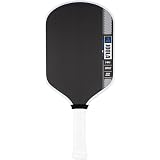
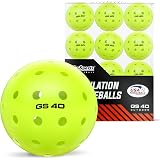
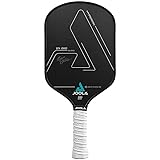
The equipment used is unique. A solid, lightweight paddle is utilized. It is much smaller than a tennis racket. The ball resembles a wiffle ball. It has many perforations. This design makes the ball fly slower. It also reduces the effort needed to hit it. Less arm strain is experienced. These features contribute to the game’s ease. They make pickleball a great choice.
The Essential Pickleball Serve
Every pickleball game begins with a serve. The server stands behind the baseline. They must strike the ball underhand. The paddle contacts the ball below the waist. This specific technique is very important. It promotes a slower, fairer start. The ball must land diagonally. It goes into the opponent’s service court. A successful serve begins the rally.
Unlike tennis, the serve is quite forgiving. No overhead serves are allowed. This rule reduces power and speed. It creates longer, more engaging rallies. The underhand motion is intuitive. It is quickly mastered by beginners. The ball must clear the net. It also needs to stay in bounds. Failure results in a fault. The rally is then lost.
The Critical Two-Bounce Rule
A unique rule distinguishes pickleball. This is called the two-bounce rule. After the serve, the receiving team must let the ball bounce once. The serving team also must let the ball bounce once. Only after these two bounces can volleys occur. This rule ensures fairness. It prevents an immediate advantage. Aggressive net play is thus delayed.
This rule extends rally duration. It encourages strategic positioning. Players must patiently wait. They position themselves for groundstrokes. Volleys cannot be hit directly. This period sets the game’s pace. It forces players to stay back. The two-bounce rule is fundamental. It defines early game dynamics. Without it, the game would change.
Scoring in Pickleball
Scoring is simple yet strategic. Points are only scored by the serving team. If the serving team wins a rally, one point is gained. If the receiving team wins a rally, they do not score a point. Instead, they earn the right to serve. This is known as a “side out.” This system emphasizes holding serve. It makes every serve valuable.
A game is won when 11 points are reached. The winning team must lead by two points. For instance, a score of 11-9 wins the game. If the score is 10-10, play continues. The game extends until a two-point lead is established. A 12-10 score would secure the win. This format ensures a clear winner. It adds excitement to close matches.
Understanding the No-Volley Zone (The Kitchen)
The no-volley zone is a key area. It is the 7-foot section near the net. This zone is also called “the kitchen.” Players cannot volley while standing here. A volley means hitting the ball before it bounces. If a player steps into the kitchen, they cannot volley. The ball must bounce first. This rule applies even if the foot touches the line. Infractions result in a lost rally.
This rule profoundly impacts strategy. It prevents aggressive net play. Players cannot smash balls down from the net. This promotes softer, more strategic shots. “Dinking” is a common kitchen strategy. Balls are hit softly into the kitchen. Opponents are forced into errors. The kitchen rule keeps rallies going. It prevents power from dominating. Many common pickleball rules revolve around this area.
Common Infractions and Faults
Several actions result in a lost rally. These are known as faults. Knowing these rules is crucial. A fault gives the opponent the point or the serve. Avoidable mistakes can be costly. Understanding faults improves play. It helps maintain fair competition.
One common fault is hitting the ball out of bounds. The ball must land within the court lines. Another fault involves the net. Hitting the ball into the net causes a fault. If it lands on your own side, it is a fault. Hitting the ball twice in succession is also forbidden. Only one paddle contact is allowed per shot. The ball cannot be touched by the body. Only the paddle is permitted. Finally, volleying in the kitchen is a fault. This infraction was explained earlier. These simple pickleball rules guide play.
Service Rules for Singles Play
In singles pickleball, specific service rules apply. The first server begins from the right service court. They serve diagonally to the opponent. If the rally is won, a point is scored. The server then switches sides. They serve from the left service court. This alternation continues until the rally is lost. The opponent then gains the serve. They will start serving from their right side. This system maintains fairness. It gives both sides opportunities.
Navigating Doubles Service Rules
Doubles pickleball introduces slight variations. Each team generally gets two serves. The first server starts from the right side. They aim for the opponent’s diagonal court. If this server wins the rally, a point is scored. They then switch positions with their partner. However, if they lose the rally, their partner gets a chance. The second partner serves from the other side. This is known as the “second serve.”
If the second partner also loses their rally, it’s a “side out.” The serving opportunity then passes to the opposing team. This structured approach ensures equal chances. It allows teams to recover from a lost serve. The serve determines who can score. Therefore, maintaining serve is very important. These pickleball rules are quickly learned.
The Growing Popularity of Pickleball
Pickleball continues its rapid ascent. It is one of the world’s fastest-growing sports. Its appeal is broadly felt. Many new players are joining. This growth is attributable to several factors. The game is easy to learn. It requires minimal athletic skill initially. Equipment costs are relatively low. Courts are also easy to set up. Many communities are building new courts.
The social aspect is very strong. Players often rotate partners. This fosters community engagement. It provides a friendly atmosphere. Its low-impact nature is attractive. It suits a wide range of ages. Older adults enjoy its gentle pace. Children find it easy to pick up. For anyone seeking a new hobby, pickleball is ideal. The straightforward pickleball rules welcome all.
Breaking Down the Kitchen: Your Pickleball Rule Q&A
What kind of court and equipment are used in Pickleball?
Pickleball is played on a 44×20 foot court, similar to badminton. Players use a solid paddle and a perforated plastic ball, which makes the game easier on the body.
How do you serve in Pickleball?
You serve underhand from behind the baseline, hitting the ball below your waist. The serve must land diagonally into your opponent’s service court.
What is the ‘two-bounce rule’ in Pickleball?
After the serve, both the receiving team and the serving team must let the ball bounce once before hitting it. This rule delays aggressive net play and ensures fairness.
How do you score points in Pickleball?
Only the serving team can score points. A game is usually won when a team reaches 11 points and is leading by at least two points.
What is ‘the kitchen’ in Pickleball?
‘The kitchen’ is the 7-foot area near the net where players are not allowed to hit the ball out of the air (volley) while standing inside it. This rule encourages strategic soft shots.